
A First-Time Guide to Livestock Auctions in Ramona & San Diego County
Have you ever thought about buying meat at your local fair livestock auction?
If you’ve never been before, you’re not alone. For many people, the idea of bidding on an animal can feel unfamiliar or even a little intimidating. But once you understand how it works, you’ll find it’s one of the most rewarding ways to support local agriculture, encourage young exhibitors, and bring home high-quality, locally raised meat.
Every summer, fairs across San Diego County showcase months of hard work by local 4-H, FFA, and Grange members who have raised and cared for their livestock. The San Diego County Fair in Del Mar wrapped up its Junior Livestock Auction in June, and now our hometown Ramona Junior Fair is just around the corner, with its Junior Livestock Auction taking place on August 1.
Whether you’re thinking about bidding for the first time or simply want to understand how livestock auctions work, this guide will walk you through everything you need to know before auction day.
Why People Buy at the Fair
People come to the livestock auction for different reasons, but most leave with much more than great meat.
For many buyers, it’s an opportunity to support local 4-H, FFA (Future Farmers of America), and Grange exhibitors who have spent months caring for and raising their animals. These projects teach responsibility, hard work, animal care, record keeping, and leadership, and every purchase helps reward that dedication.
Of course, there’s another benefit: exceptional meat. Fair animals are raised with close attention to nutrition and care, often producing high-quality beef, pork, lamb, poultry, and other meats you won’t typically find at the grocery store.
For many San Diego County families, attending the livestock auction has also become a tradition. They come back year after year to support local youth, reconnect with the agricultural community, and enjoy an event that celebrates the values our rural communities are built on.
Before You Go
A little planning goes a long way. Before auction day, take a few minutes to think through what you’re hoping to accomplish and how much meat makes sense for your household.
Decide What You’re Buying For
Ask yourself a few simple questions:
- Am I buying for my family, a group of friends, or a business?
- Will I keep all of the meat, split it with others, or donate it?
- How much freezer space do I actually have?
If you’re buying beef or pork, consider partnering with friends or family to split the purchase. It’s a great way to enjoy locally raised meat without needing a large freezer.
Set Your Budget
Livestock auctions move quickly, so it’s helpful to decide on your spending limit before the bidding begins.
Remember, you’re not only purchasing meat—you’re also supporting a local student and investing in agricultural education. Having a budget in mind helps you bid with confidence.
Plan for Processing
After the auction, your animal will typically be sent directly to an approved processor. You’ll work with the processor to choose how you’d like your meat cut, wrapped, and packaged before picking it up once processing is complete.
Processing fees are separate from your auction purchase, so it’s helpful to understand those costs ahead of time.
Don’t Forget About Freezer Space
Different animals produce different amounts of meat.
- Steer: Best for large families or groups with significant freezer space.
- Hog: Produces a wide variety of cuts and fits comfortably in many chest freezers.
- Lamb: A great option for smaller households.
- Poultry and rabbits: Easy to store and ideal for first-time buyers.
Not Ready to Buy a Whole Animal?
Many fairs offer add-on programs, allowing individuals, families, or businesses to financially support a young exhibitor without purchasing livestock.
It’s an excellent way to participate, encourage local youth, and experience the auction if you’re not quite ready to fill your freezer.
How the Auction Works
If you’ve never attended a livestock auction before, you’ll probably be surprised by how welcoming and organized the process is.
Step 1: Register as a Buyer
Before the auction begins, stop by the buyer registration area to sign in and receive your bidder number or paddle. Fair staff and volunteers are always available to answer questions, especially if it’s your first time.
Step 2: Meet the Exhibitors
If you arrive early, spend some time walking through the livestock barns.
You’ll have the opportunity to meet many of the young exhibitors, learn about their projects, and see firsthand the care they’ve put into raising their animals. It’s one of the best parts of the fair experience.
Step 3: Watch the Judging
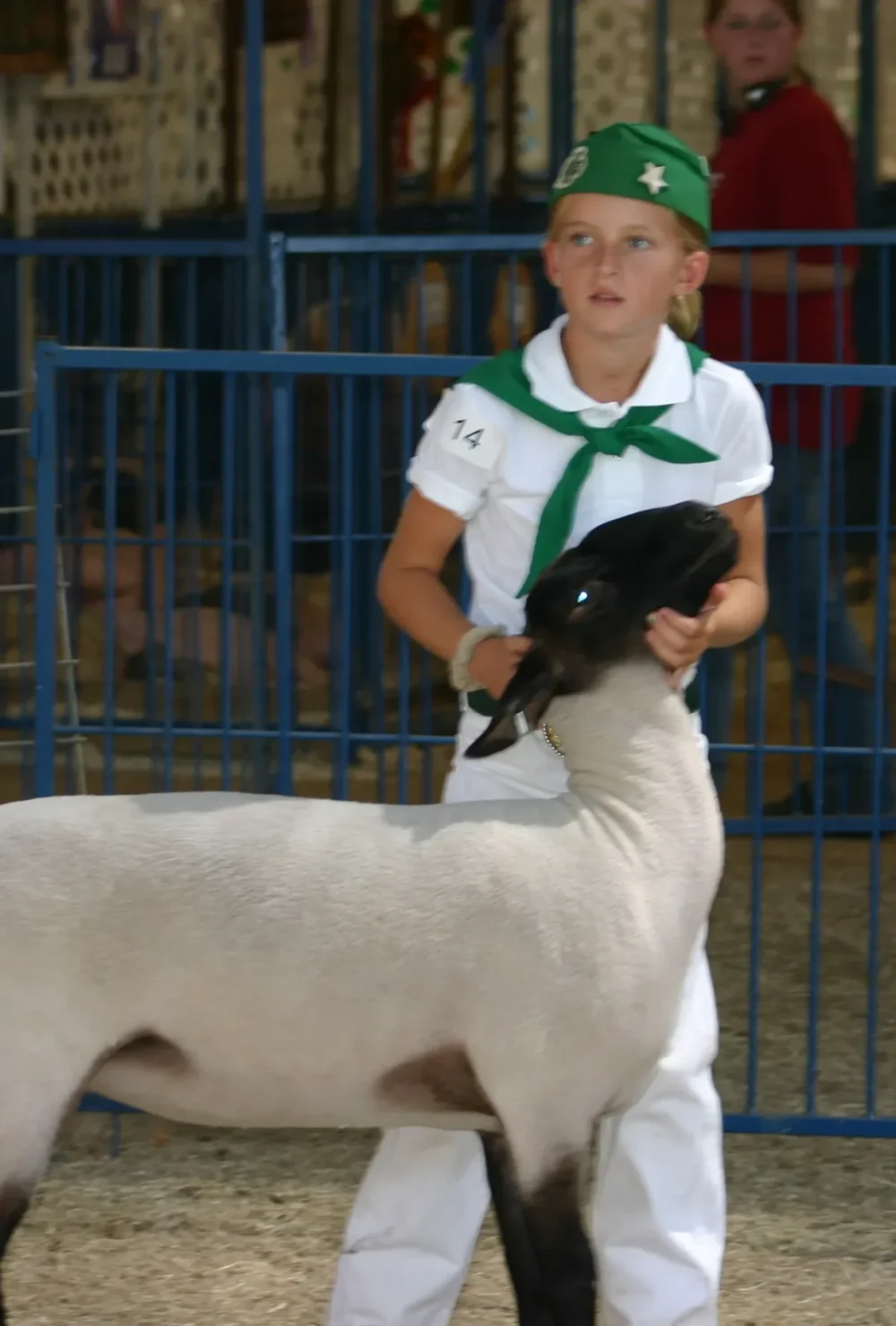
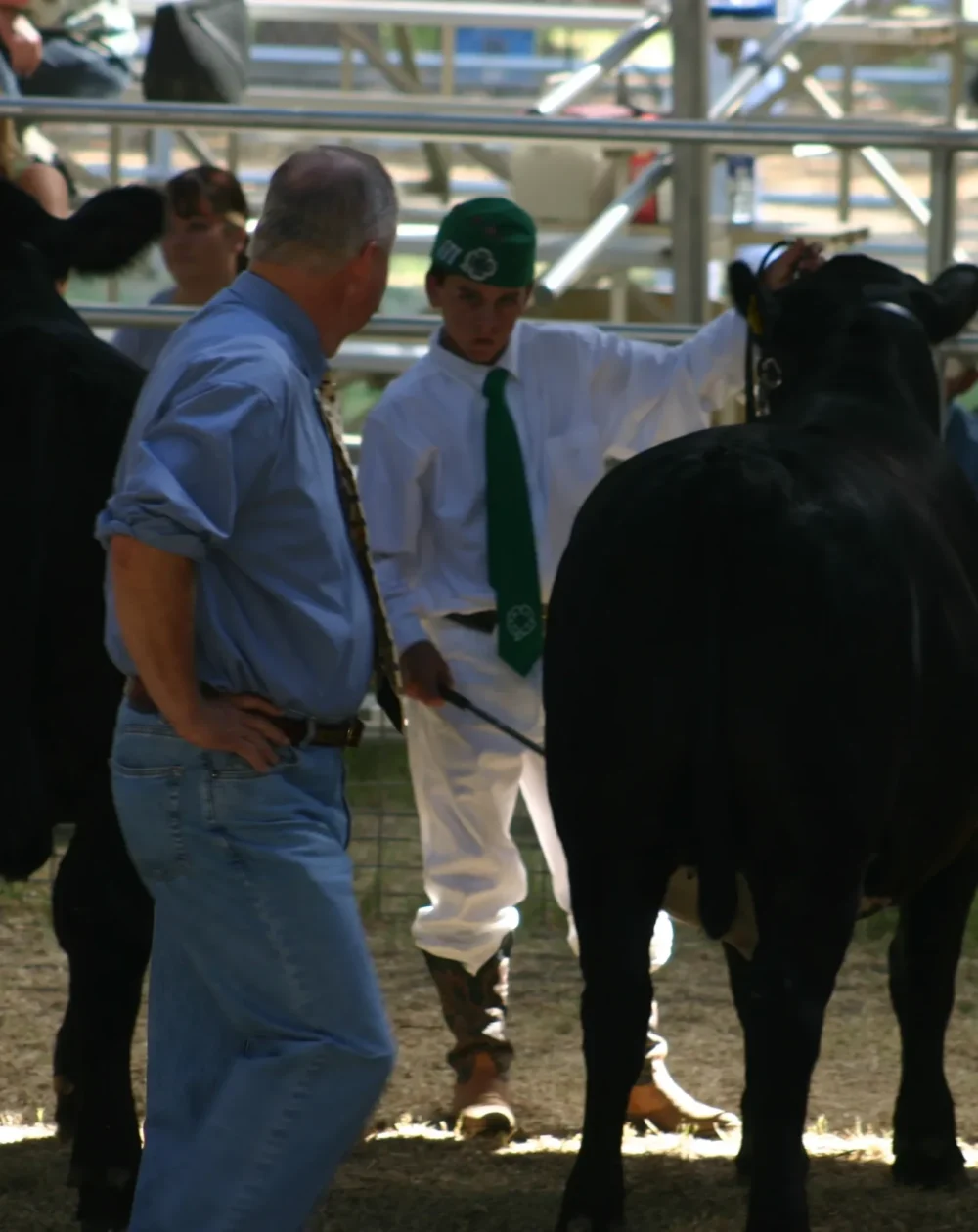
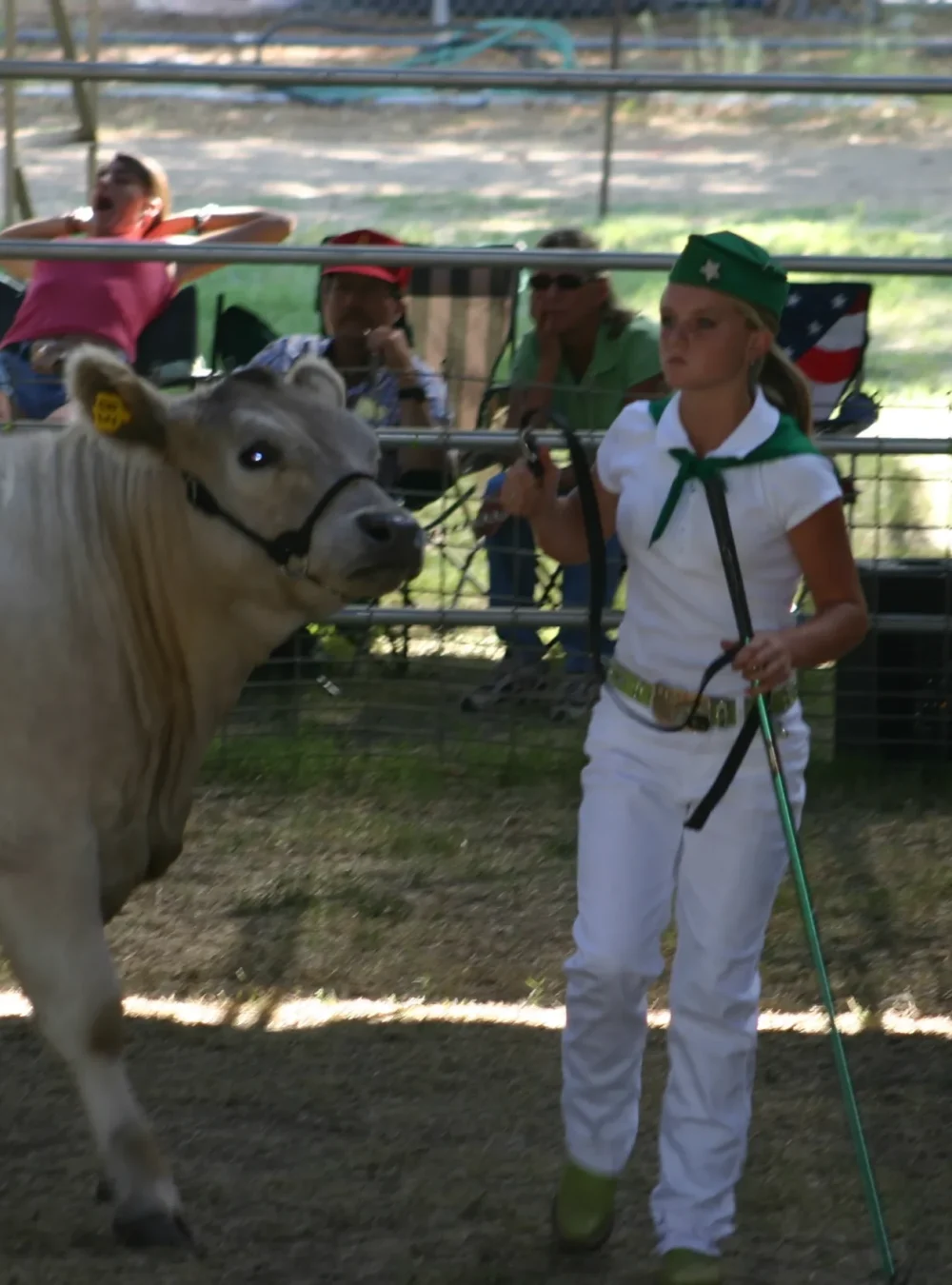
Leading up to the auction, exhibitors show their animals before judges who evaluate qualities such as structure, condition, and how well the exhibitor presents and handles the animal.
While placing well can increase interest during the auction, every exhibitor has invested months of hard work into their project.
Step 4: The Auction Begins
Animals enter the auction ring one at a time.
The auctioneer announces the bidding, usually based on the animal’s live weight, while buyers raise their bidder numbers to place bids. The pace is fast, but don’t worry—staff and ring assistants are there to help if you have questions.
Step 5: Winning the Bid
If you’re the highest bidder, congratulations! You’ve just purchased an animal.
Fair staff will explain the next steps, including paperwork, payment, and information about processing your meat.
Even if you’re attending for the first time, you’ll never be expected to figure it out on your own.
Common First-Time Questions
1. Can I split an animal with someone else?
Absolutely. Many buyers split a steer or hog with family members, friends, neighbors, or coworkers. One person purchases the animal at auction, then everyone shares the cost of processing and the finished meat.
2. Do I have to take the animal home that day?
No. In most cases, your animal will be transported directly from the fair to an approved processor. You won’t be loading a steer or hog into your truck after the auction!
3. How do I get my meat?
Once processing is complete, the butcher will contact you to arrange pickup. You’ll receive your meat professionally cut, wrapped, labeled, and frozen according to the cutting instructions you selected.
4. Can businesses buy livestock at the auction?
Yes. Many local businesses participate each year as a way to support local youth and agriculture while bringing home high-quality meat. Some businesses also purchase animals through add-on programs or donate the meat to local organizations.
5. What if I’ve never been to a livestock auction before?
Don’t worry—you won’t be the only first-time buyer. Fair staff, volunteers, and auction officials are happy to answer questions and guide you through the process. Livestock auctions are welcoming community events, and everyone wants you to have a great experience.
Choosing the Right Animal
Not every animal is the right fit for every buyer. Here’s a quick guide to help you decide what best matches your household, budget, and freezer space.
- Beef
A steer is ideal for larger families, groups of friends, or anyone looking to stock a freezer with steaks, roasts, brisket, and ground beef. Because of the quantity of meat, many buyers choose to split a steer with others.
- Hogs (Pork)
Hogs are one of the most versatile options, providing bacon, pork chops, ribs, roasts, sausage, and more. They’re an excellent choice for families who enjoy a variety of cuts without needing the freezer space required for beef.
- Lambs
Lamb is a great option for smaller households or anyone looking for a more manageable amount of meat. You’ll enjoy flavorful chops, roasts, and ground lamb while supporting a local exhibitor.
- Goats
Goat is naturally lean and popular in many cuisines around the world. If you enjoy trying new recipes or already cook with goat, this can be an excellent choice.
- Poultry
Chickens and turkeys are often the easiest and most affordable entry point for first-time buyers. They require very little freezer space and make a great introduction to purchasing livestock at the fair.
- Rabbits
Rabbit projects are often raised by younger exhibitors and provide another meaningful way to support local youth agriculture programs. They’re ideal for buyers looking to encourage a student while bringing home a smaller quantity of meat.
No matter which animal you choose, you’re investing in months of dedication from a local young person and helping keep San Diego County’s agricultural traditions thriving.
What Happens After You Win
Winning the bid is exciting—but it’s really just the beginning of the process.
Once the auction is over, fair staff will guide you through the necessary paperwork and explain the next steps. In most cases, your animal will be transported directly to an approved meat processor, so you won’t need to take the animal home yourself.
- Choose Your Cuts
After the processor receives your animal, you’ll be contacted to discuss how you’d like your meat prepared. Depending on the animal, you’ll typically be able to choose from a variety of cuts, such as steaks, roasts, chops, ribs, ground meat, sausage, and more.
The processor will also wrap, label, and freeze your order, making it easy to store and enjoy throughout the year.
- Processing Fees
Your auction purchase pays the young exhibitor for their animal. Processing fees are paid separately to the butcher and cover harvesting, cutting, wrapping, and freezing your meat.
Processing costs vary depending on the processor and the options you choose, so it’s a good idea to ask about pricing when discussing your order.
- Picking Up Your Meat
Once your order is finished, the processor will contact you to schedule pickup. You’ll leave with professionally packaged meat that’s ready for your freezer.
How Much Freezer Space Will You Need?
The amount of meat you take home depends on the size of the animal and your processing selections. Here’s a general guide:
Animal | Avg. Live Weight | Approx. Meat Yield | Freezer Space Needed |
Lamb | 120 lbs | ~90 lbs | 3-4 cu ft |
Pig | 250 lbs | ~150 lbs | 5-6 cu ft |
Steer | 1,200 lbs | ~500 lbs | 12-16 cu ft |
If you’re concerned about freezer space, remember that many buyers choose to split larger animals with friends or family.
A little planning ahead makes it easy to enjoy locally raised meat for months to come.
More Than Just an Auction
A livestock auction is about much more than buying meat.
It’s about encouraging young people who have spent months caring for their animals. It’s about supporting local agriculture and helping preserve the traditions that continue to strengthen communities throughout San Diego County.
Even if you don’t plan to bid this year, we encourage you to come experience the auction.
Walk through the barns.
Meet the exhibitors.
Ask questions.
Watch the auction.
See the pride these young people have in raising and caring for their animals.
We think you’ll quickly understand why so many families return year after year.
And if you have questions before auction day—or need feed, bedding, grooming supplies, or advice for your own fair project—stop by Elston Hay & Grain. Supporting local agriculture and the families behind it has been part of what we do since 1969, and we’re always happy to help.
We hope to see you at the Ramona Junior Fair!
–
Elston Hay & Grain
For over 55 years, Elston’s has been San Diego’s go-to for animal care and rural living. We proudly support generations of horse lovers, livestock caretakers, pet owners, and home growers with top-notch hay, feed, and supplies. Rooted in ranching and built on friendly know-how, we’re here to help you care for your animals with confidence. Whether you’re raising chickens, feeding a stable, or spoiling your pup, here at Elston’s we’ve got what you need.
Shop online or visit us at our locations in Ramona and Poway. We proudly deliver to all of San Diego County, including Escondido, Lakeside, Warner Springs, Julian, Ranchita, and South County. https://shop.elstonhayandgrain.com/